
Many people come to me about braces for a reason that is not really about their teeth. It is about their face: a chin that sticks out or sits too far back, a jaw that is off to one side, too much gum on smiling, or lips that do not close comfortably. Problems like these usually come from the jaws, not just the teeth, and they affect the bite, chewing, speech and confidence. This article explains how much braces can do, when surgery is needed, and what Surgery First means.
Can braces alone fix it?
It depends on whether the problem is in the teeth or in the bone.
If the upper and lower jaws are in proportion and only the teeth are out of place, metal braces or clear aligners on their own can do the job. As the teeth line up, the lips and smile often look more balanced too.
If the jaws themselves are out of proportion, for example a lower jaw that sits well ahead of the upper, or a narrow upper jaw set back so the chin looks weak, braces can only move teeth. They cannot move bone. Forcing a braces-only plan can leave the teeth straight but the face unchanged, or worse, tilt the teeth to compensate for the bone and leave a bite that is not stable. Those cases need orthodontics combined with jaw surgery.
Why the orthodontist and the surgeon plan together
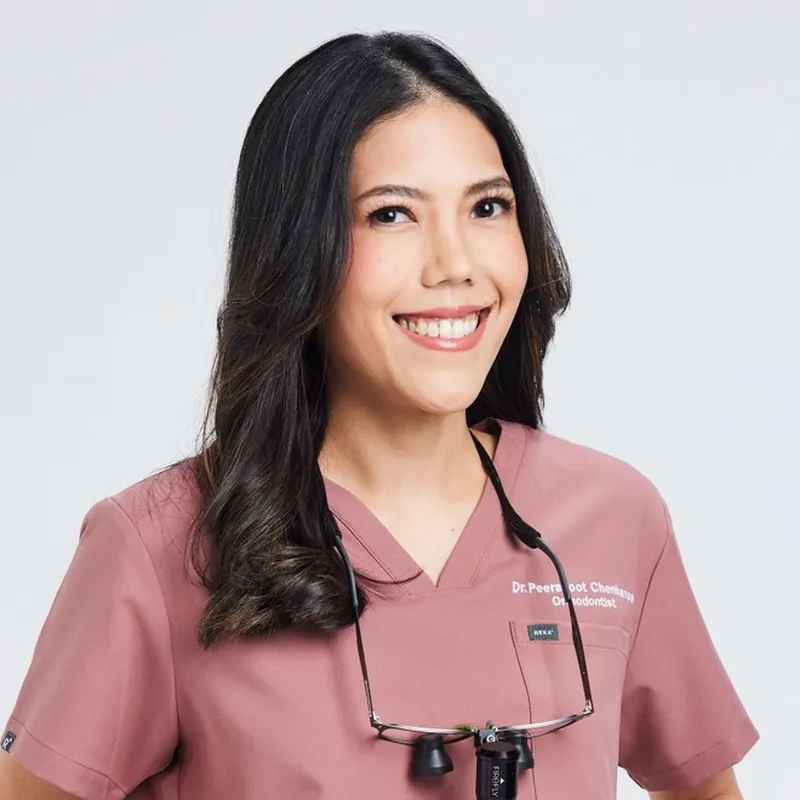
Combined orthodontic and surgical treatment needs detailed planning by a specialist orthodontist. I trained in the Doctor of Clinical Dentistry (Orthodontics) program at The University of Sydney, and I plan every step of these cases myself, working with an oral and maxillofacial surgeon who performs the operation.
The planning uses:
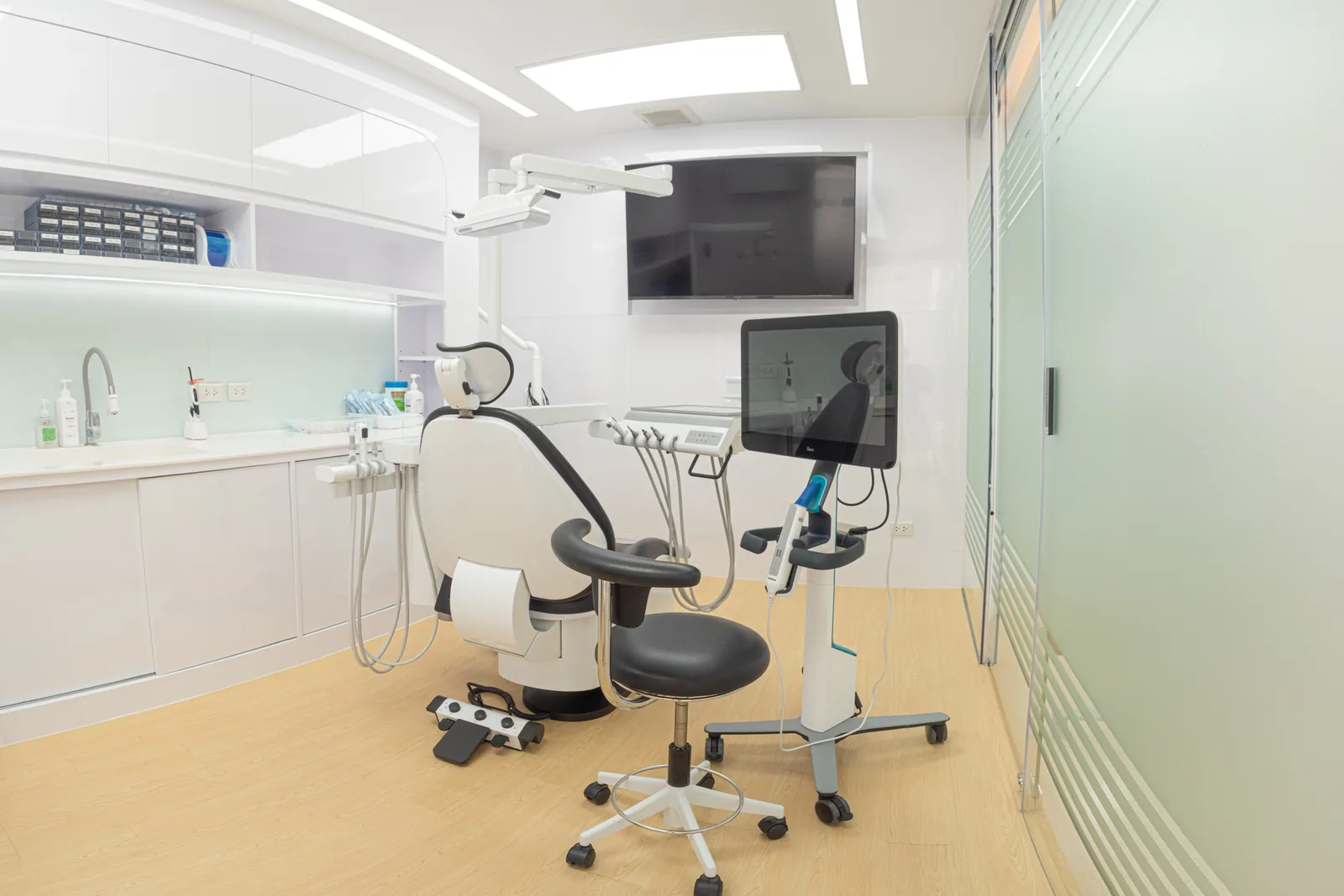
- A digital 3D scan of the teeth instead of impressions, which gives an accurate model without a tray of impression material in the mouth.
- Digital X-rays to see tooth positions, roots and bone.
- Dental CT (CBCT), a three-dimensional image of both jaws, used to simulate the cuts and movements before the real operation.
With that data the surgeon and I are looking at the same picture: which direction the bone will move, by how much, and where the teeth must end up afterwards.
The traditional route: braces first, then surgery
The conventional approach has three stages.
- Pre-surgical orthodontics. Braces line the teeth up correctly within each jaw. This stage can take a considerable time.
- Jaw surgery. The bone is moved to its new position.
- Post-surgical orthodontics. The bite is fine-tuned.
The drawback is the first stage. Teeth that had tilted to compensate for the jaw are pushed back to their true positions, which makes the protrusion more obvious and can make the face look worse for a while, right up until the day of surgery. Many patients find this stage discouraging.
Surgery First: operate, then straighten
The Surgery First approach reverses the order. The jaw surgery is done first, and braces go on afterwards to bring the teeth into place.
Advantages
- The change in the face is visible straight after surgery. There is no stage where things look worse before they look better.
- Total treatment time is often shorter, because the pre-surgical braces stage is skipped, and teeth tend to move readily in the months after surgery while the bone is adapting.
Limitations
- The bite may not fit properly right after surgery, because the teeth were not aligned beforehand. Braces are needed to finish the job, and a temporary splint may be worn.
- The orthodontic plan has to be fully worked out before the operation. I have to predict where the teeth will sit once the bone has moved and how I will straighten them from there. A planning error is harder to correct than in the traditional route.
- Patients need discipline: careful oral hygiene after surgery and regular attendance at every appointment.
So Surgery First is not for every case. Where the crowding is severe or the tooth positions are too complex to predict reliably, I usually recommend the traditional route as the safer choice.
Who is a candidate
- Adults whose jaws have finished growing.
- A clear skeletal problem in the jaws, not just crowded teeth.
- General health good enough for major surgery.
- Ready for treatment that runs for many months to a year or more, with regular visits.
My advice
If you are wondering whether your profile comes from your jaw or just from your teeth, come in for an examination first. I look at the bite and the proportions of the face, take the X-rays that are needed, and tell you plainly whether braces alone are enough, whether the case should be planned with a surgeon, and if surgery is needed, whether the traditional route or Surgery First makes more sense and why.
Preparation before treatment and care after surgery matter a great deal. I want every patient to understand each step before deciding, so that they are ready for the change both physically and mentally.
Book a consultation
A chin that sticks out or sits back, a jaw that is off center, or a bite that makes chewing hard: come in and let me examine you and plan the options.
- LINE
- Phone: 098 831 0246
- Open daily 10:00–20:00 (closed Tuesdays)
- Tooth Boutique Dental Clinic, Venice Di Iris, Vacharapol Road, Bang Khen, Bangkok. Parking available.